Road geotechnics in Albuquerque forms the critical foundation for safe, durable, and cost-effective transportation infrastructure in a region defined by its challenging arid environment and complex subsurface conditions. This specialized discipline integrates geotechnical engineering principles with pavement design to address the unique interaction between natural soils and engineered structures. In the high desert of central New Mexico, road geotechnics encompasses everything from subgrade evaluation and soil stabilization to drainage design and pavement structural analysis, ensuring that roadways can withstand both environmental stressors and increasing traffic loads.
Albuquerque's geological setting presents distinctive challenges that demand specialized geotechnical expertise. The city sits within the Rio Grande Rift, a tectonically active zone characterized by deep alluvial deposits, expansive clay soils, and unconsolidated sands. Many areas feature soils with high plasticity indices that undergo significant volume changes with moisture fluctuations, a phenomenon known as shrink-swell behavior. Additionally, the presence of caliche layers, cemented sand formations, and wind-deposited loess creates variable bearing capacities across relatively short distances. These conditions make thorough site investigation and tailored engineering solutions essential for any road project.
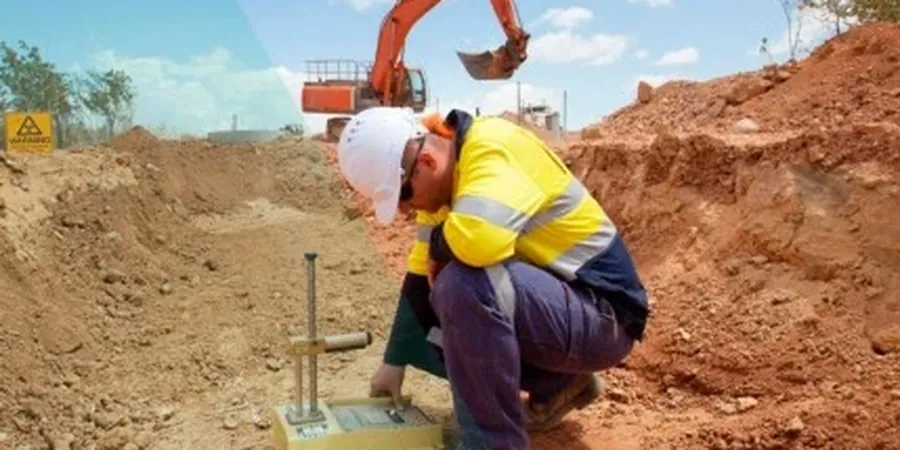
Roadway projects in the Albuquerque metropolitan area must comply with a comprehensive regulatory framework that includes the New Mexico Department of Transportation (NMDOT) Standard Specifications for Highway and Bridge Construction, which reference AASHTO and ASTM standards for geotechnical testing and design. The NMDOT Geotechnical Design Manual provides specific guidance on subgrade treatment, embankment construction, and pavement structural design for local soil conditions. Municipal projects within the City of Albuquerque additionally follow the Development Process Manual and applicable International Building Code provisions, while federal-aid highway projects must meet FHWA requirements for geotechnical investigations and reporting.
Virtually every transportation project in the region requires some form of road geotechnics input. Residential subdivision streets demand proper subgrade preparation and drainage, while arterial roadways and interstate highways like I-25 and I-40 require comprehensive pavement/subgrade design and soil stabilization for roads. Commercial and industrial developments with heavy truck traffic rely on robust flexible pavement design and careful road embankment design. Even maintenance and rehabilitation projects benefit from existing pavement evaluation to identify geotechnical root causes of premature failures. The integration of these services ensures that roads perform reliably throughout their intended design life despite Albuquerque's demanding conditions.
Available services
Quick answers
What are the most common geotechnical challenges for road construction in Albuquerque?
Expansive clay soils with high shrink-swell potential are the primary challenge, causing differential heave and pavement cracking during seasonal moisture changes. Other issues include unconsolidated alluvial sands with low bearing capacity, cemented caliche layers that complicate excavation, and variable subsurface profiles across short distances due to the Rio Grande Rift geology. Proper soil stabilization and drainage design are essential to mitigate these risks.
What geotechnical investigations are required before designing a road in Albuquerque?
Standard investigations include subsurface borings or test pits to characterize soil stratigraphy, laboratory testing for classification, moisture-density relationships, and strength parameters such as CBR values. Expansive soil testing following ASTM D4829 or similar methods is critical in Albuquerque. Groundwater evaluation and resistivity testing may also be needed, particularly for projects near the Rio Grande or in areas with shallow water tables.
How does NMDOT regulate geotechnical design for road projects?
NMDOT's Geotechnical Design Manual establishes minimum requirements for site investigation, laboratory testing, subgrade stabilization, and pavement structural design. Projects must follow NMDOT Standard Specifications, which reference AASHTO design methods and ASTM testing standards. Geotechnical reports must be sealed by a licensed professional engineer and include specific recommendations for subgrade treatment, embankment construction, and drainage to meet agency acceptance criteria.
Why is drainage so critical in road geotechnics for high desert environments?
Despite low annual rainfall, Albuquerque experiences intense monsoon storms that can rapidly saturate soils and overwhelm drainage systems. Poor drainage leads to subgrade softening, loss of bearing capacity, and accelerated pavement deterioration. Expansive soils become particularly problematic when moisture infiltrates beneath pavements. Effective geotechnical drainage design intercepts surface and subsurface water before it compromises the structural integrity of the road section.