Geotechnical site investigation in Albuquerque is the foundational first step for any construction or civil engineering project. It encompasses a systematic program of subsurface exploration, sampling, and testing designed to characterize the soil, rock, and groundwater conditions at a specific site. In a city known for its complex geology and arid environment, skipping a thorough investigation can lead to costly foundation failures, earthwork problems, and long-term structural distress. This category covers everything from preliminary desktop studies to intrusive fieldwork and laboratory analysis, ensuring that engineers have the data they need to design safe, economical foundations and earth-retaining structures.
Albuquerque's unique geological setting makes site investigation particularly critical. The city straddles the Rio Grande rift, a major tectonic feature that has filled with thousands of feet of unconsolidated sediments known as the Santa Fe Group. These deposits, primarily sands, silts, and gravels, are interbedded and can vary dramatically over short distances. Near the Sandia Mountains, alluvial fans and colluvial deposits create additional variability, while cemented caliche layers can unexpectedly obstruct drilling or alter load-bearing capacity. A proper investigation must identify these variations to avoid designing on expansive clays, loose sands with collapse potential, or shallow groundwater that could undermine a project.
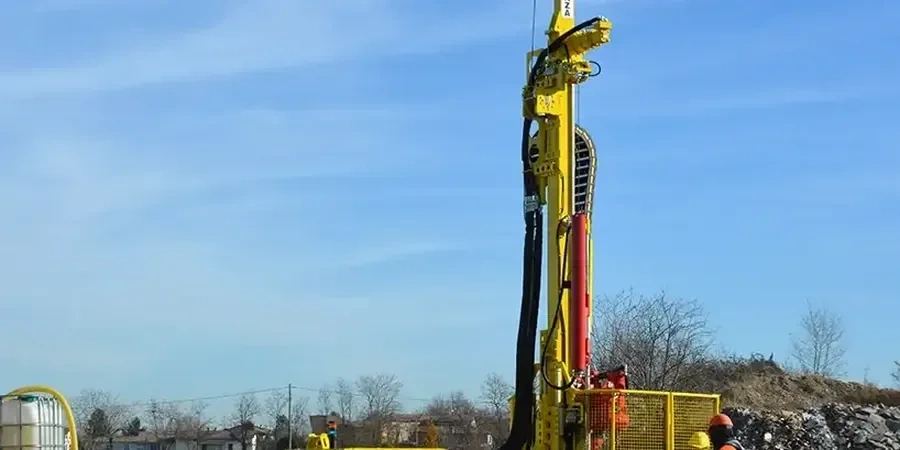
Local and national standards govern how these investigations are performed. In the United States, the primary reference is the International Building Code (IBC), which New Mexico has adopted with local amendments. The IBC mandates site-specific soil investigations for most commercial and multi-family structures, specifying minimum borehole numbers and depths. The American Society of Civil Engineers (ASCE) and the American Society for Testing and Materials (ASTM) provide the detailed methodologies, such as ASTM D1586 for the Standard Penetration Test (SPT). These standards ensure that data collected is reliable, repeatable, and legally defensible, which is essential for permitting in Albuquerque's stringent regulatory environment.
The scope of an investigation is tailored to the project type. A high-rise building in downtown Albuquerque requires deep borings with sophisticated laboratory testing to design a deep foundation system, whereas a single-family home on the West Mesa might need a more focused program to check for expansive clays. Critical infrastructure like bridges over the Rio Grande demands a comprehensive understanding of scour potential and lateral soil pressures. For preliminary routing studies or utility work, exploratory test pits can provide a rapid, cost-effective look at shallow subsurface conditions. The data from these investigations, including from an SPT, feeds directly into geotechnical reports that form the basis for all subsequent design and construction decisions, protecting both public safety and the client's investment.
Quick answers
When is a geotechnical site investigation required for a project in Albuquerque?
A site investigation is required by the New Mexico-adopted International Building Code for nearly all commercial, industrial, and multi-family residential structures. It is also a standard requirement for public infrastructure projects, subdivisions, and often for single-family homes in areas known for expansive soils or collapse-prone sediments. Lenders and insurers frequently mandate one to mitigate financial risk.
What are the most common geotechnical problems found during investigations in the Albuquerque area?
Common issues include expansive clays that shrink and swell with moisture, causing foundation movement; collapsible silty sands that can suddenly settle when wetted; shallow, perched groundwater; and hard, cemented caliche layers that complicate excavations. The variability of the Santa Fe Group sediments means conditions can change significantly between adjacent lots, making site-specific investigation essential.
What is the typical depth of a geotechnical boring for a standard commercial building in Albuquerque?
For a typical low- to mid-rise commercial building on spread footings, borings usually extend 20 to 30 feet below the proposed foundation level, or to bedrock if it is shallower. The IBC specifies that borings must be deep enough to characterize the full depth of soil that will be stressed by the structure. Taller buildings requiring deep foundations may need borings exceeding 100 feet.
How long does a typical geotechnical site investigation take from field work to final report?
The field work, including drilling and sampling, typically takes one to several days depending on the project's scope and number of borings. After field completion, laboratory testing on collected samples usually requires two to four weeks. The final geotechnical report, synthesizing all data and providing engineering recommendations, is generally delivered three to six weeks after the field work concludes.